












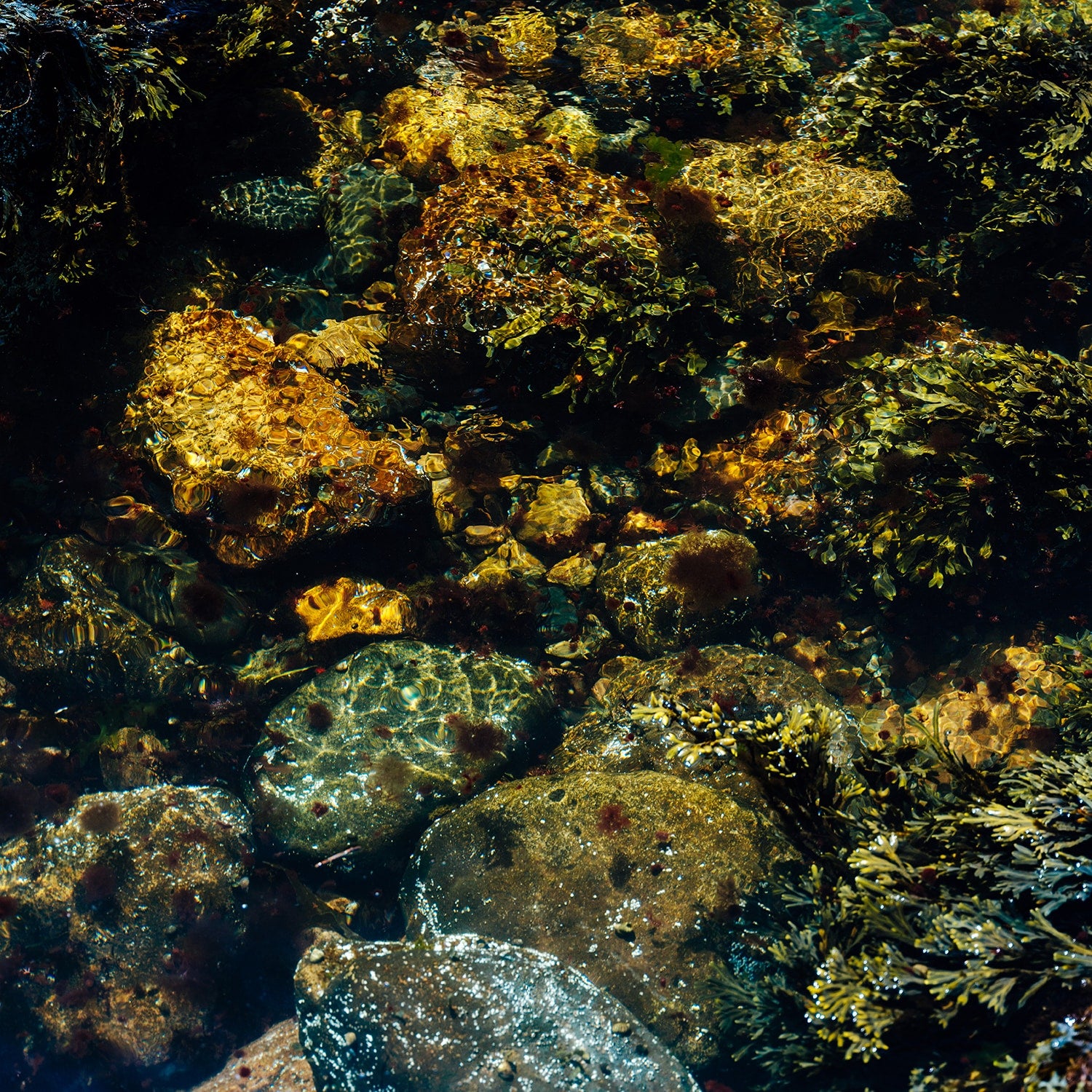
It Begins In Pristine Waters
We harvest our salt from carefully selected coastal regions in France, Guatemala, Hawaii, Spain, Portugal, and beyond. Guided by generations of local artisans, each harvest relies on sun, wind, seawater, and time—not industrial refining.
Some salt marsh ecosystems take years to mature before producing their first harvest, creating the naturally mineral-rich sea salts that define Celtic Sea Salt®.
The Celtic Harvesting Method™
Since 1976, Celtic Sea Salt.® has partnered with artisan producers who use the traditional Celtic Harvesting Method™—a time-honored process designed to preserve the natural character of the sea and the mineral complexity created by each unique coastal environment.
The Celtic Harvesting Method™ is built on four principles:
Is harvested by hand from inland channels fed by sustainable ocean ecosystems.
Evaporation and gentle agitation preserve the salt’s mineral richness, texture, and character.
From marsh to package—unrefined, minimally processed, and fully traceable.
Every lot is independently tested for mineral content, purity, and safety.
The Story Behind the Name “Celtic”
The story of Celtic Sea Salt® began in 1976, when founder Jacques Delangre discovered traditional French salt farmers using harvesting methods passed down through generations.
Inspired by the connection between these coastal traditions and ancient Celtic coastal practices, he coined the term “Celtic” to describe this style of traditionally harvested mineral sea salt.
As Jacques continued exploring traditional salt-making practices around the world, he discovered similar approaches among artisan producers across Guatemala, India, China, Japan, Africa, and beyond. These shared principles—working with sun, wind, seawater, and time—became the foundation of the Celtic Harvesting Method™.
Today, Celtic Sea Salt® continues to partner with producers who honor these traditional practices while meeting modern standards for quality and transparency.
What’s naturally in Celtic Sea Salt® salt?
What makes Celtic Sea Salt® different is what remains in the salt. Unlike refined table salt, which is processed into nearly pure sodium chloride, traditionally harvested sea salts retain the naturally occurring minerals, trace elements, and moisture found in the sea.
Along with sodium and chloride, Celtic Sea Salt® salts naturally contain magnesium, potassium, calcium, iron, manganese, zinc, iodine, selenium, copper, boron, and dozens of additional trace elements. These minerals reflect the unique coastal environments where our salts are harvested and contribute to the full-spectrum character, flavor, and composition of each product.
Many of these minerals play important roles in the body, including electrolyte balance, enzyme activity, cellular processes, and normal physiological function.

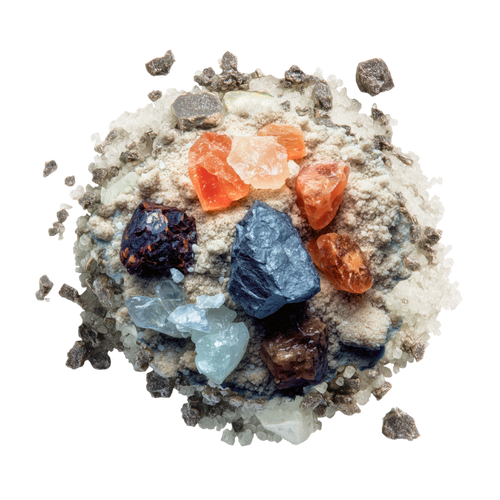
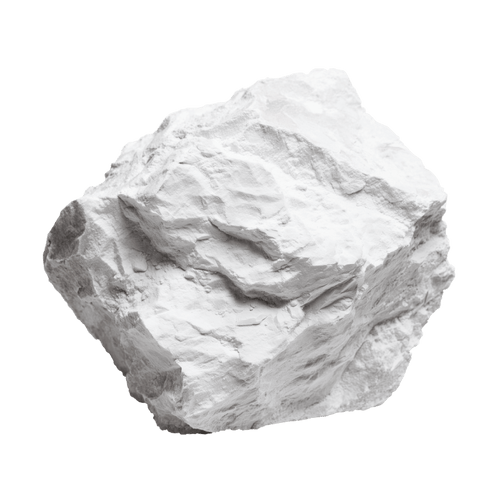
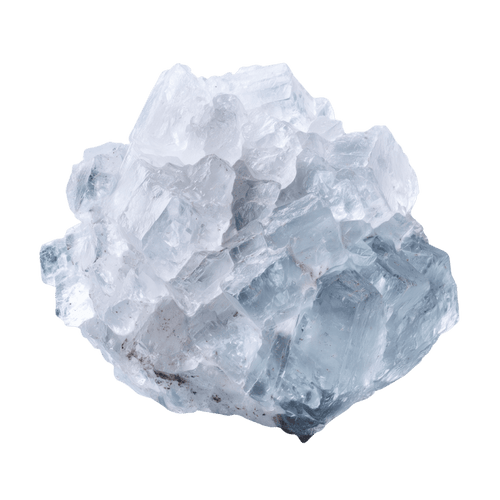
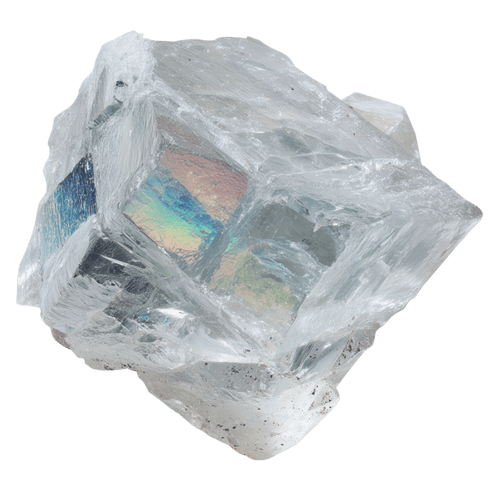
The Mineral Signature of Each Salt
Light Grey Celtic® and Celtic Fine Ground™ products each have their own distinct mineral composition. The naturally occurring minerals, trace elements, and moisture retained through traditional harvesting create a unique mineral signature for each product.
The values below represent the key minerals we routinely measure through independent laboratory testing.
| Mineral | Celtic Fine Ground™ (typical range, PPM) | Light Grey Celtic® (typical range, PPM) |
|---|---|---|
| Magnesium | 6,999 – 13,744 | 6,987 – 14,439 |
| Potassium | 2,857 – 5,242 | 2,738 – 5,449 |
| Calcium | 3,037 – 4,244 | 3,274 – 4,771 |
| Iron | 9.6 – 13.6 | 10.1 – 16.2 |
| Manganese | 2.1 – 3.0 | 1.0 – 6.8 |
Typical ranges represent mean ± one standard deviation across 2026 tests. Moisture and additional trace elements are reported on individual lot Certificates of Analysis.
Naturally Lower Sodium Chloride
Because Celtic Sea Salt® salts retain naturally occurring minerals and moisture, they contain less sodium chloride than refined table salt.
Pure sodium chloride is 39.3% sodium. By measuring sodium content, we can calculate the implied sodium chloride content using the fixed relationship between sodium and chloride.
| Salt Type | Sodium Content (typical range) | Implied Sodium Chloride Content |
|---|---|---|
| Celtic Fine Ground™ | 32.5% – 35.2% | 82.6% – 89.4% |
| Light Grey Celtic® | 29.2% – 34.2% | 74.4% – 86.9% |
Typical range represents mean ± one standard deviation across 2026 tests at two independent laboratories. Refined table salt typically contains 98–100% sodium chloride.

Explore Our Quality & Safety Standards
Want to learn how we test and
validate these numbers?
Explore our laboratory testing process,
purity standards, and lot-level
Certificates of Analysis.